
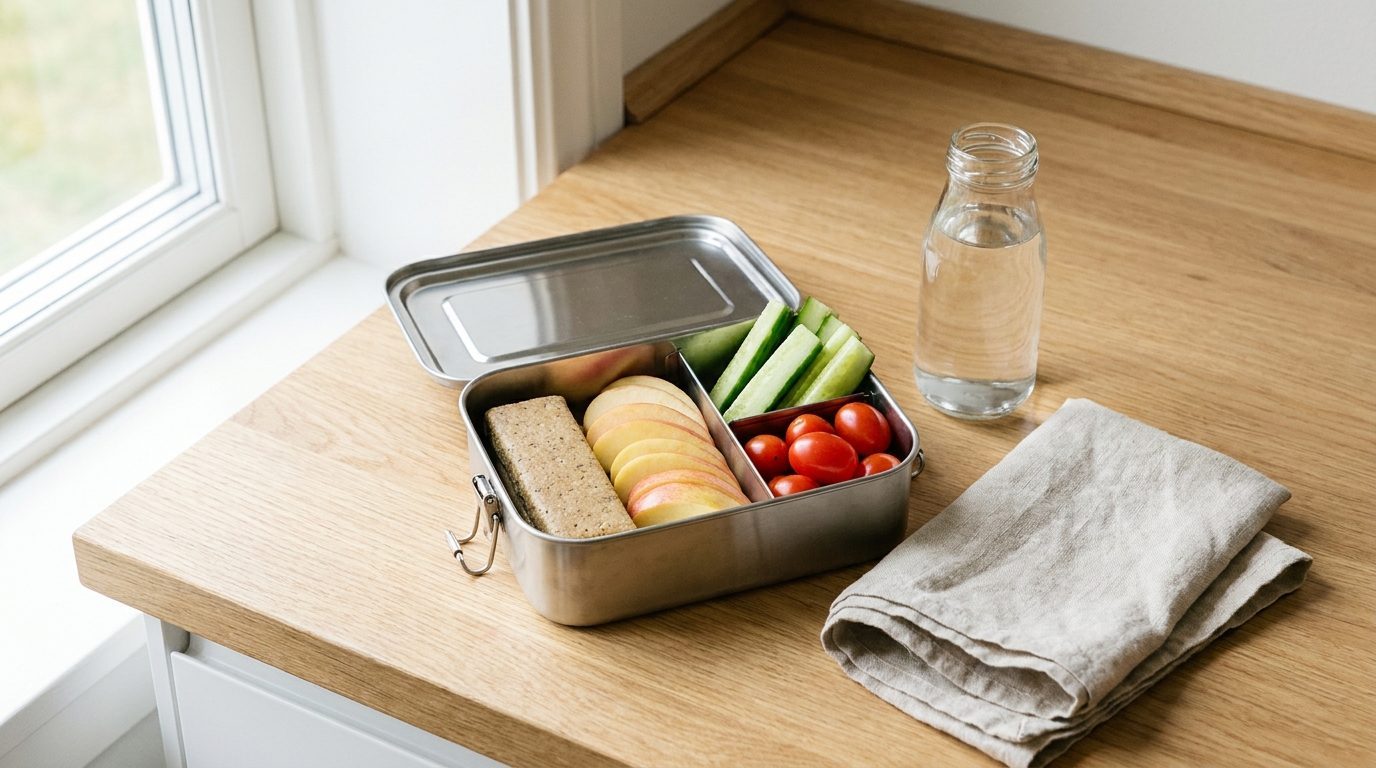
Hemp seed is a seed, not a tree nut, so hemp protein on its own is genuinely nut-free. The complication is everything a brand adds around it, and the facility where the bar is made. Knowing the difference between an ingredient list and a "may contain" warning is what separates a safe school-lunch choice from a risky one.
Is hemp seed a tree nut?
No. Hemp seed comes from Cannabis sativa, a plant in the hemp family, and botanically it is a seed in the same broad category as sunflower or pumpkin seeds. Tree nuts, by contrast, are the seeds of trees such as almond, cashew, walnut, pecan, hazelnut, pistachio, Brazil nut, and macadamia. Peanuts are different again, a legume that grows underground, which is why allergists treat peanut and tree nuts as separate concerns.
This matters for cross-reactivity. The proteins that trigger tree-nut and peanut allergies are not present in hemp seed, so hemp is not part of either allergen group. Health Canada's priority allergen list names peanuts and tree nuts specifically; hemp is not on it. For most people managing a nut allergy, hemp protein is one of the few plant proteins that is nut-free at the ingredient level rather than merely "usually fine."
One caution worth stating plainly: any food can theoretically cause an individual reaction, and a small number of people do react to hemp seed itself. If your child has multiple severe allergies, introduce hemp at home, in a controlled setting, before it ever goes in a lunch box. Being nut-free is not the same as being allergen-free for everyone.
If hemp is nut-free, why do so many bars contain nuts?
Because the protein source is only one line on the ingredient list. Hemp protein bars are built, and the things they are built with frequently include nuts. The most common culprits are:
- Nut-butter binders: peanut, almond, or cashew butter is the cheapest, tastiest way to hold a bar together. This is the single biggest reason a "hemp" bar is not nut-free.
- Chopped nut inclusions: almonds, walnuts, or peanuts added for crunch and protein.
- Coatings and toppings: chocolate coatings and granola-style toppings often carry nut pieces or nut traces.
- Nut-derived flours and oils: almond flour or peanut flour used to boost protein without adding powder grittiness.
The takeaway: never assume a bar is nut-free because hemp is in the name or on the front of the package. The marketing and the formulation are two separate things, and only the ingredient list is binding.
How do I read a "may contain" warning on the label?
There are two distinct parts of a Canadian label, and they answer two different questions.
The ingredient list tells you what is deliberately in the bar. In Canada, the priority allergens, including peanuts and tree nuts, must be declared either in the ingredient list or in a separate "Contains" statement right after it. If a bar intentionally uses almond butter, it must say so. This part is mandatory and reliable.
The precautionary statement, usually phrased "may contain peanuts" or "may contain tree nuts," is different. It is a voluntary warning about unintended cross-contamination, typically because the bar is produced on shared equipment or in a facility that also handles nuts. There is no legal threshold attached to it, and its absence does not guarantee a nut-free line.
Here is how to interpret what you see:
| What the label shows | What it means for nut allergy |
|---|---|
| No nuts in ingredients, no "may contain" | Best case, but still verify a nut-free facility claim for anaphylactic allergies. |
| No nuts in ingredients, but "may contain tree nuts/peanuts" | Shared-line risk. Not safe for severe allergies; the brand is flagging genuine cross-contamination potential. |
| Nuts listed in ingredients or "Contains" statement | Deliberately contains nuts. Avoid entirely. |
| "Made in a nut-free facility" or "peanut-free facility" | Strongest assurance available on a package. Treat this as the claim you are looking for. |
For a child with a severe, anaphylactic allergy, treat any "may contain" warning as a hard stop, and treat the absence of an explicit nut-free facility statement as a reason to confirm with the manufacturer before trusting the bar.
How do I tell a genuinely nut-free brand from a shared-line risk?
The difference comes down to manufacturing, not recipe. Two bars can have identical, nut-free ingredient lists while one is made in a dedicated nut-free plant and the other shares equipment with a peanut bar an hour earlier. Look for these signals, in roughly descending order of confidence:
- An explicit facility statement. "Produced in a peanut-free and tree-nut-free facility" is the clearest claim a brand can make. It addresses cross-contamination directly, not just the recipe.
- A seed-based binder instead of a nut butter. Bars bound with sunflower seed butter, tahini, or date paste, and using hemp hearts and pumpkin seeds for texture, were designed to avoid nuts rather than just happening to omit them.
- Allergen information on the brand's website. Companies serious about the allergy market publish a clear allergen policy and respond to direct questions about their lines. A brand that cannot tell you whether nuts run on the same equipment is a brand to skip.
- Third-party allergen or nut-free certification. Where present, an independent certification carries more weight than a self-declared claim.
A shared-line risk looks like the opposite: a clean ingredient list, a "may contain tree nuts" line in small print, and no facility claim anywhere. That bar may be perfectly fine for a nut-avoider by preference, and genuinely unsafe for someone with an anaphylactic allergy. The label is telling you which is which if you read all of it.
What makes hemp protein bars good for nut-free school lunches?
Many Canadian schools and daycares are peanut-free or fully nut-free, and packaged snacks are a recurring headache for parents because so many "healthy" bars lean on nut butters. Hemp protein bars, chosen carefully, fit this constraint well for several reasons:
- The protein source is nut-free by nature, so a nut-free hemp bar still delivers meaningful protein, unlike many fruit-and-oat bars that drop the nuts and most of the protein with them.
- Hemp adds fibre and minerals, including magnesium and iron, alongside the protein, which makes the bar more of a real snack than a candy substitute.
- Hemp bars travel well. They tolerate a warm backpack better than chocolate-coated bars and do not bruise like fruit.
- A nut-free hemp bar protects other kids too, which is the point of a nut-free classroom. You are not only feeding your own child safely, you are not introducing a risk for someone else's.
Practical lunch-box rules: choose a bar with a stated nut-free facility, keep the wrapper in the bag so a teacher can verify ingredients if needed, and check the sugar content, since some bars marketed as protein bars carry as much added sugar as a cookie. For very young children, half a bar is often the right portion, as most adult bars are calorie-dense. If your school's policy also restricts sesame or other allergens, scan for those too; nut-free does not automatically mean free of every priority allergen.
What about making your own nut-free hemp bars?
For households managing several allergies at once, homemade is often the most reliable route, because you control both the ingredients and the surfaces they are made on. A dependable nut-free formula starts with hemp hearts and hemp protein powder for the protein, certified gluten-free oats or puffed rice for texture, sunflower seed butter or tahini as the binder, and pitted dates or a little honey or maple syrup for sweetness and binding. Press the mixture firmly into a parchment-lined pan, chill until set, and cut into bars. The result is nut-free with certainty, and far cheaper than the specialty retail equivalent.
If you want to compare bar types, dig into label-reading in more depth, or find a tested nut-free recipe to build from, browse the full article index, which collects the buying guides, ingredient breakdowns, and homemade formulas in one place.
Before a hemp protein bar goes into a nut-allergic child's lunch, run a simple two-step check: confirm there are no nuts anywhere in the ingredient or "Contains" statement, then confirm an explicit nut-free or peanut-free facility claim. If the second one is missing, email the manufacturer and ask directly whether nuts run on the same line, and keep the answer in writing. Hemp gives you a real head start, because the protein itself is nut-free, but the facility, not the seed, is what ultimately keeps the bar safe.